| | Introduction | Surface water | Groundwater
Introduction
To return to RWQIT from any link click the BACK button on your internet browser
Using the RWQIT Treatment Module
This Treatment Module provides information, which will help improve the water quality you use from your well, dugout, spring, or other water source. The decision to purchase and install a manufactured treatment device can be the most significant investment you'll make in providing quality water from your private water supply, second only to the original development of your water source (ex. well, dugout, spring, etcetera). In some situations the water quality may be so poor that it is not feasible to improve it. In addition, the water treatment may be too expensive for the usage intended. In these situations other water supply options need to be considered.
Human drinking water or in-home water use requires extra safety precautions for rural water systems even if good source water is expected or the water is from a public system. This includes bottled, hauled (personal or commercial hauling) or rural water pipelines. For example, an extra precaution or barrier to microbial contamination could include an ultra-violet (UV) treatment device installed for disinfection of water hauled to a cistern.
Improving Water Quality Source to Tap
The most effective, cost efficient methods of developing or improving water quality start at the water source and extend on through the water system to its final use as illustrated in the following figure. The "source to tap" approach of improving water quality involves a number of steps to improve water quality.
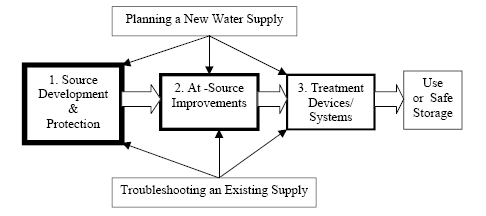
If the water quality you require is still not adequate and dependable following the first two steps a treatment device may be warranted.
Treatment Device/System Considerations
Several things need to be considered in selecting a treatment device including:
- Water Source. ex. Is the dugout treatment system robust enough to handle the seasonal variability in water quality expected?
- Effectiveness - can the treatment system reduce the identified or likely parameters of concern for your use? (In the RWQIT Detailed Report these parameters are identified with red stop signs)
- Initial purchase cost of treatment system
- Ongoing operational cost (ex. chemical, power, cartridge replacement)
- Ongoing maintenance cost and expected life of system (include warranties)
- Level of skill or services required to keep the system operating
- Does the system provide you feedback to help you operate and maintain it? For example, warning lights on a reverse osmosis device to indicate significant membrane fouling.
- Physical space required for the treatment system
Requirements to Effectively Use the Treatment Module
Before assessing this information have handy the following:
How the Treatment Information Links are Organized
Following in the Treatment Module is a series of links to information available from RWQIT developers and advisors. The treatment module is separated into both a surface water and groundwater section because of the significant differences in water quality challenges. Each section is organized under the following categories:
- Source Development and Protection - this section contains good construction techniques that are often the most economical and effective methods to improve raw water quality
- At Source Improvements - these techniques include beneficial equipment and plumbing additions to your raw water source that enhance and protect water quality
- Treatment Devices and Systems
- Treatment Selection and Troubleshooting
We will add factsheets periodically to this section based on information gaps we identify.
Agencies That Can Provide Information to Help Solve Your Water Problem
Useful web sites for impartial performance testing:
www.nsf.org - www.ul.com - www.wqa.org - www.iapmo.org
Responsibility
For private water systems in Canada, the responsibility for using and meeting recommended water quality guidelines rests with the owner. When using the information provided, apply it carefully to your water use and requirements. If unsure, contact one of the agencies listed or a health or water specialist who understands your requirements.
ENDORSEMENT: The factsheets linked to in this treatment module should not be taken as an endorsement of any of the products or services mentioned herein.
DISCLAIMER: This information is provided free of charge solely for the user’s information and, while thought to be accurate, is provided strictly "as is" and without warranty of any kind, either express or implied, including its accuracy or fitness for any particular purpose. The Crown, its agents, employees or contractors will not be liable to you for any damages, direct or indirect, or lost profits or data arising out of your use of this information.
To return to RWQIT from any link click the BACK button on your internet browser
|
|